EXPERTISE YOU CAN TRUST
Conventional NDT Services
From start to finish, your assets are in expert hands.
Quality control and condition assessment start with the standard methods, covering surfaces, internal structure, thickness, coating systems, pressure and leak-tightness, with nothing cut open and nothing taken out of service.
Dexon chooses the method from the material, the damage mechanism, the access you have and the acceptance criteria the project is working to.
From scoping and method selection through to analysis and reporting, every stage is handled with care — so operators get the information they need to act with confidence.
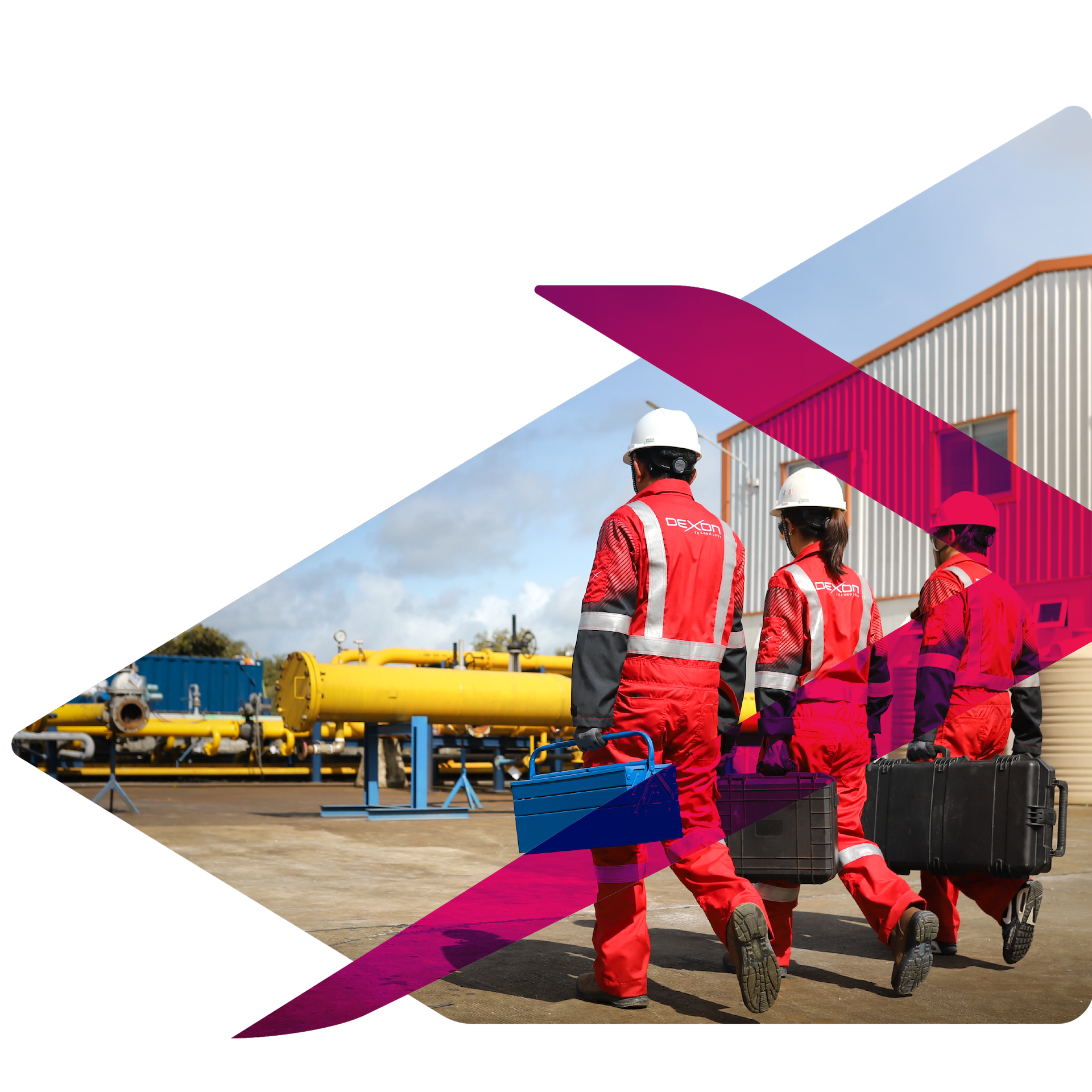
DEXON Conventional NDT Services
15 standard inspection techniques covering surfaces, internal structure, thickness, coating systems, pressure and leak-tightness
DEXON Conventional NDT Services
15 standard inspection techniques covering surfaces, internal structure, thickness, coating systems, pressure and leak-tightness
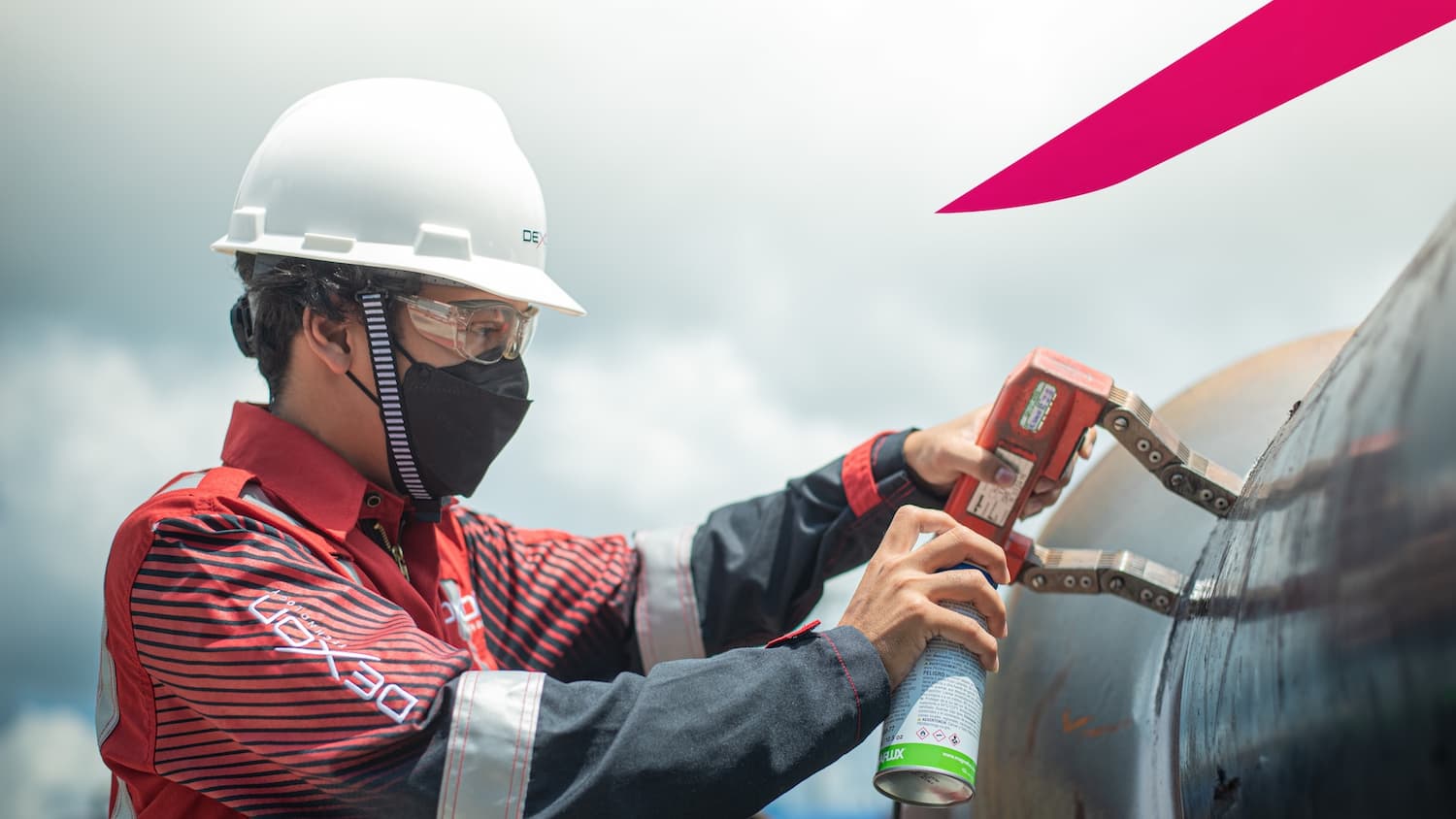
Conventional Radiographic Testing
Finds porosity, slag inclusions, lack of fusion, lack of penetration and internal cracking in welds and castings.
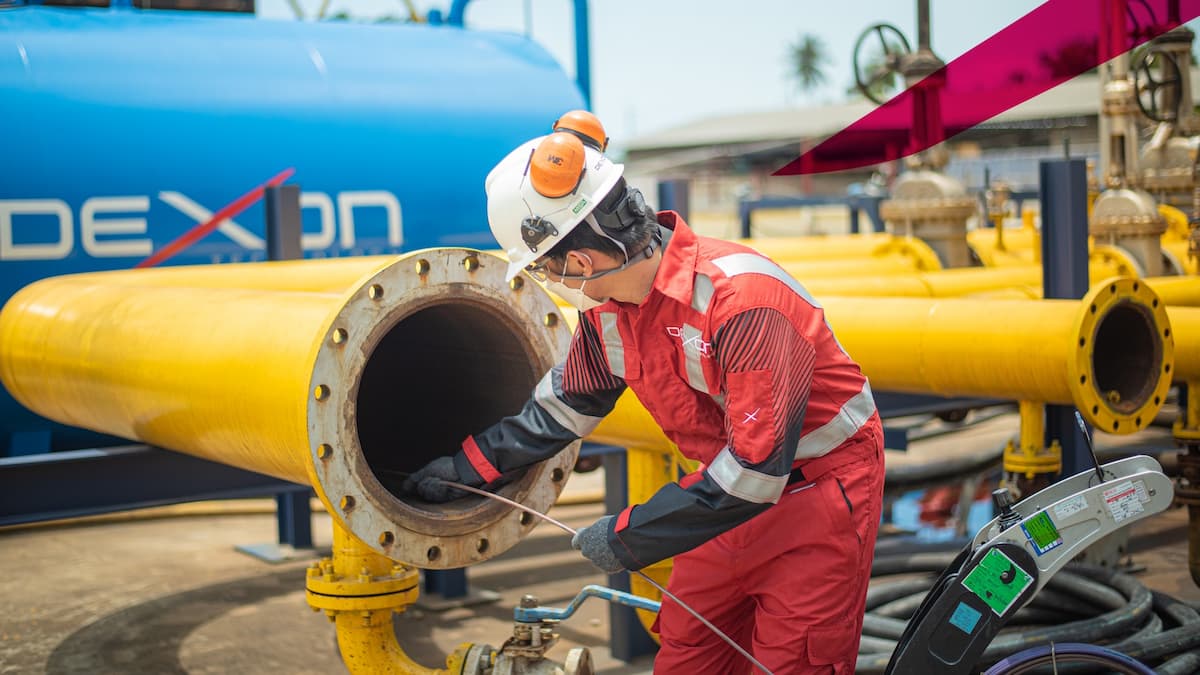
Dry Film Thickness
Verifies cured coating thickness against specification — catching film too thin to protect the steel, or thicker than the system allows.
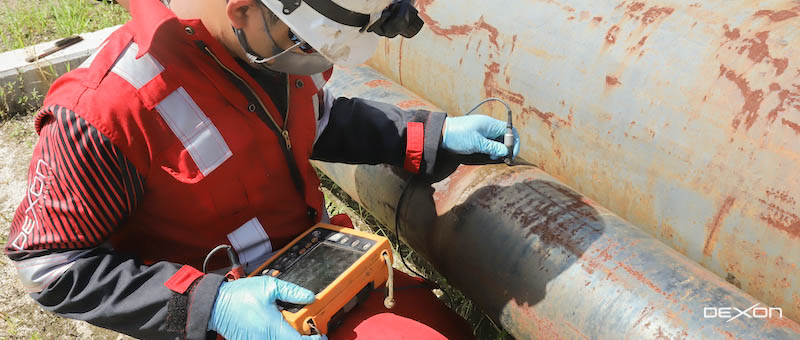
Electromagnetic Testing
Finds surface and near-surface cracking, pitting and wall loss in conductive materials and tubing.
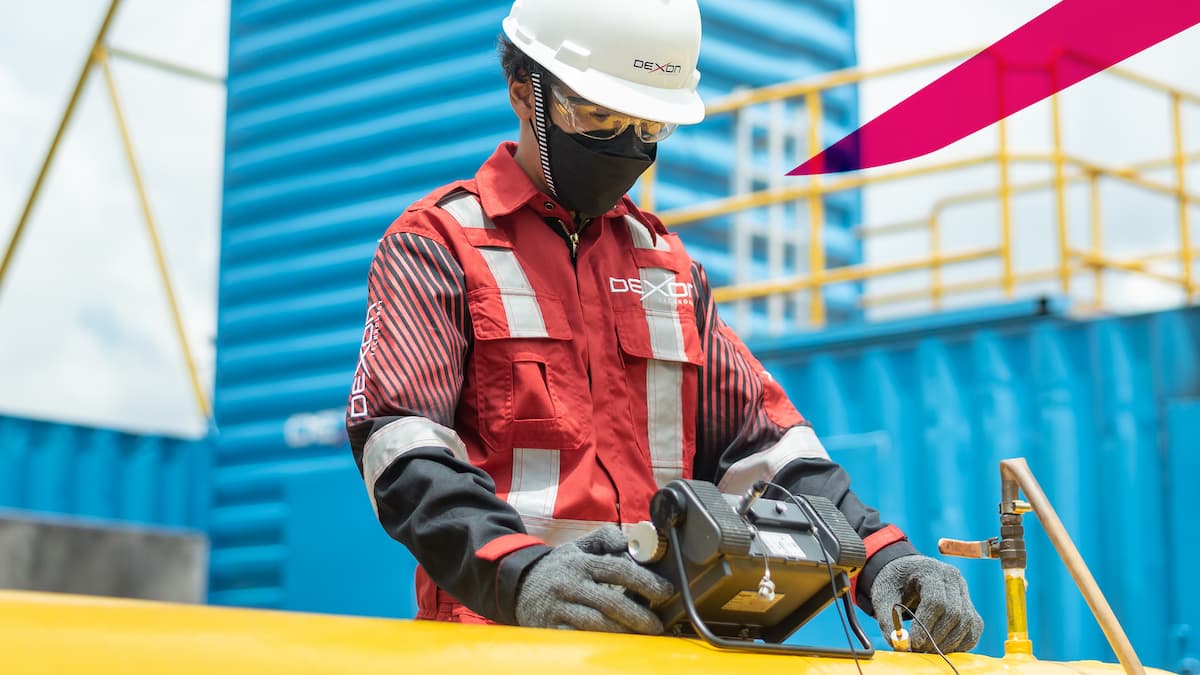
Hardness Testing
Verifies hardness against specification — catching over-hard welds and heat-affected zones, and heat treatment that fell short.
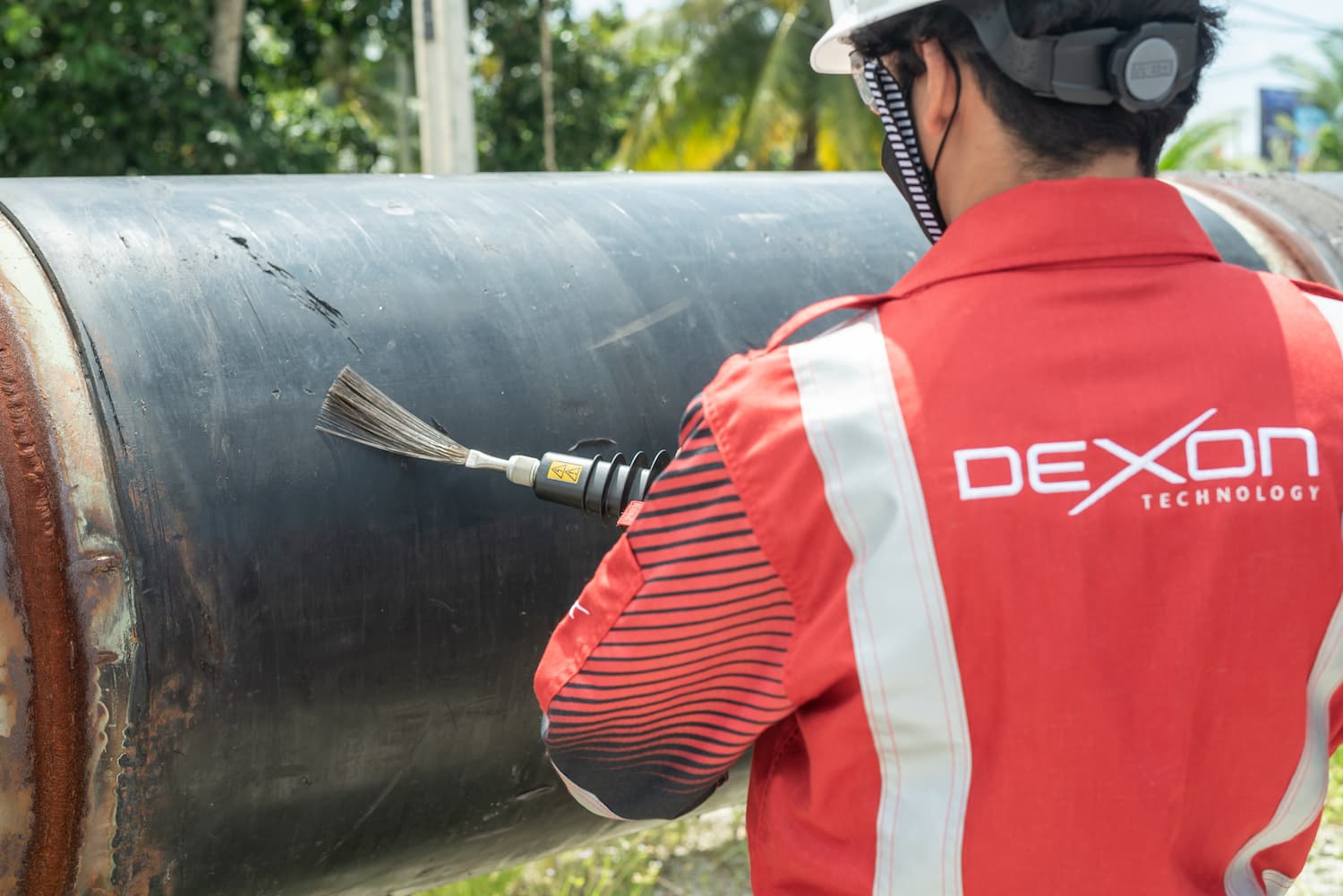
Holiday Testing
Finds pinholes, holidays and thin spots where the coating leaves the substrate exposed.
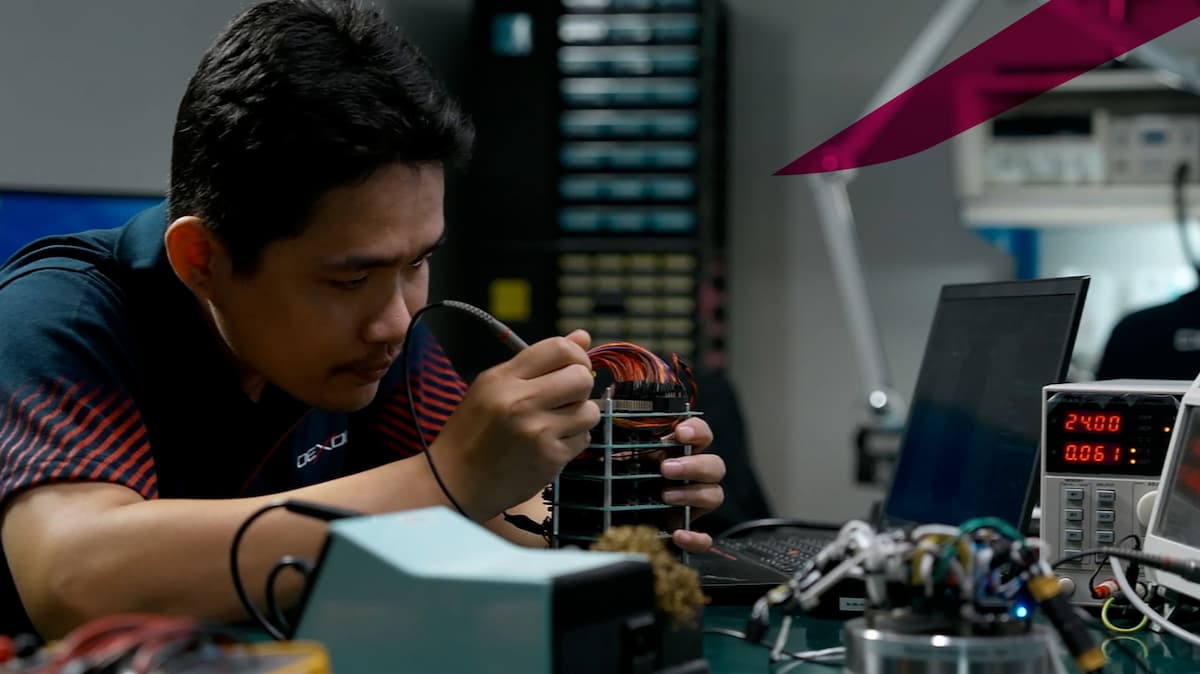
Hydrostatic & Pneumatic Testing
Proves the pressure boundary holds — leakage at welds, flanges, valves and seals, and pressure loss over the hold period.
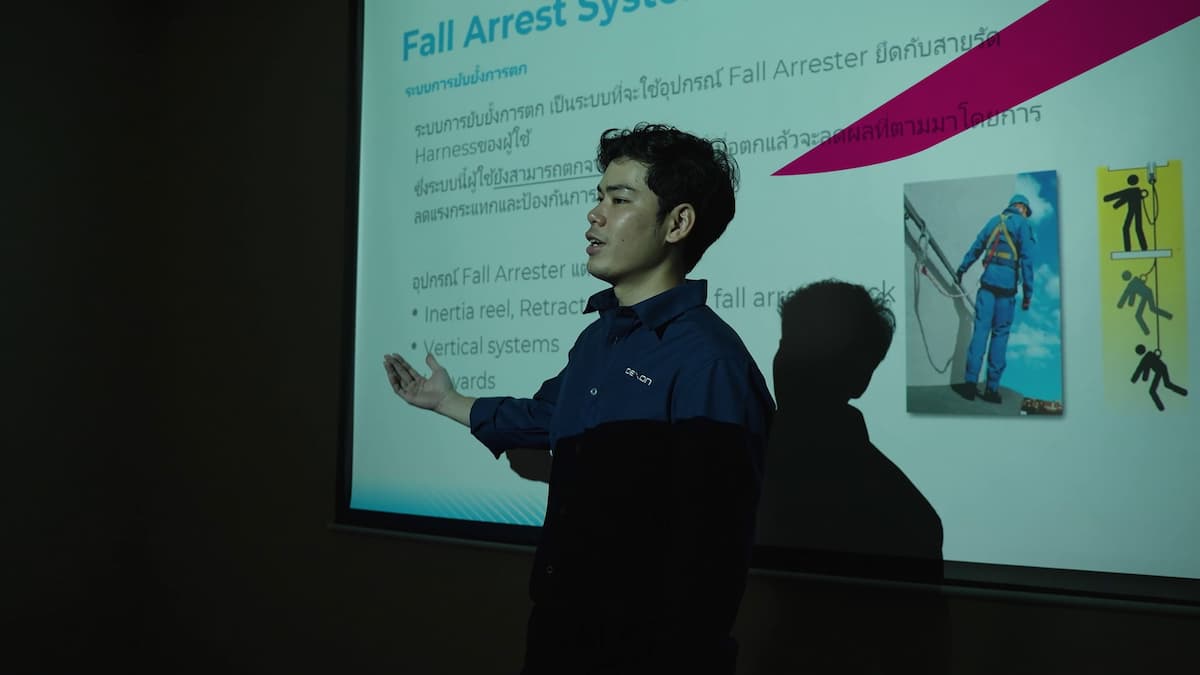
Leak Testing
Finds leaks and confirms tightness at welds, flanges, valves, seals and sealed systems.
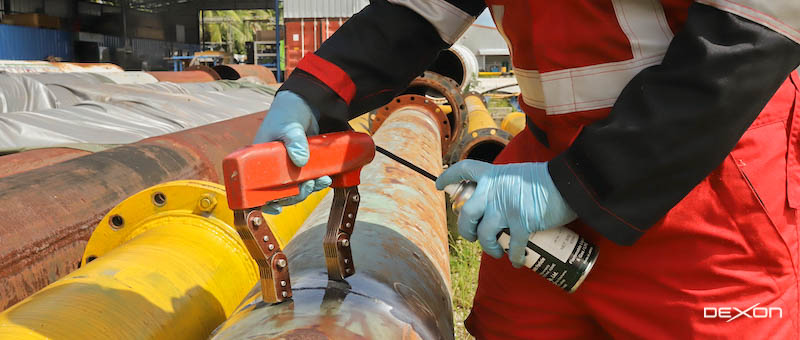
Magnetic Particle Inspection
Finds surface and near-surface cracking in ferromagnetic steel — weld toes, heat-affected zones, shafts, hooks and load-bearing parts.
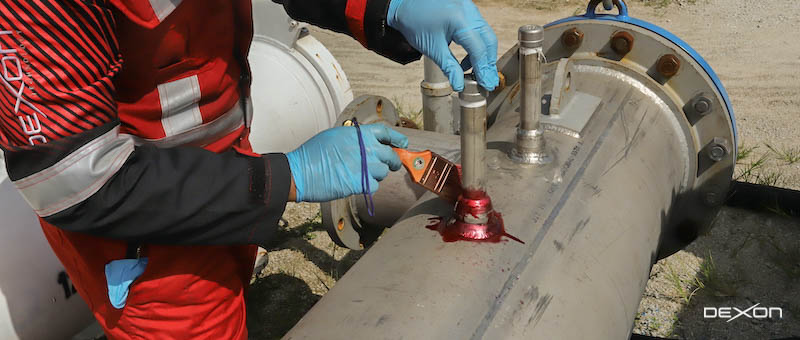
Penetrant Testing
Finds surface-breaking cracks, seams, laps, folds, cold shuts and porosity on non-porous materials.
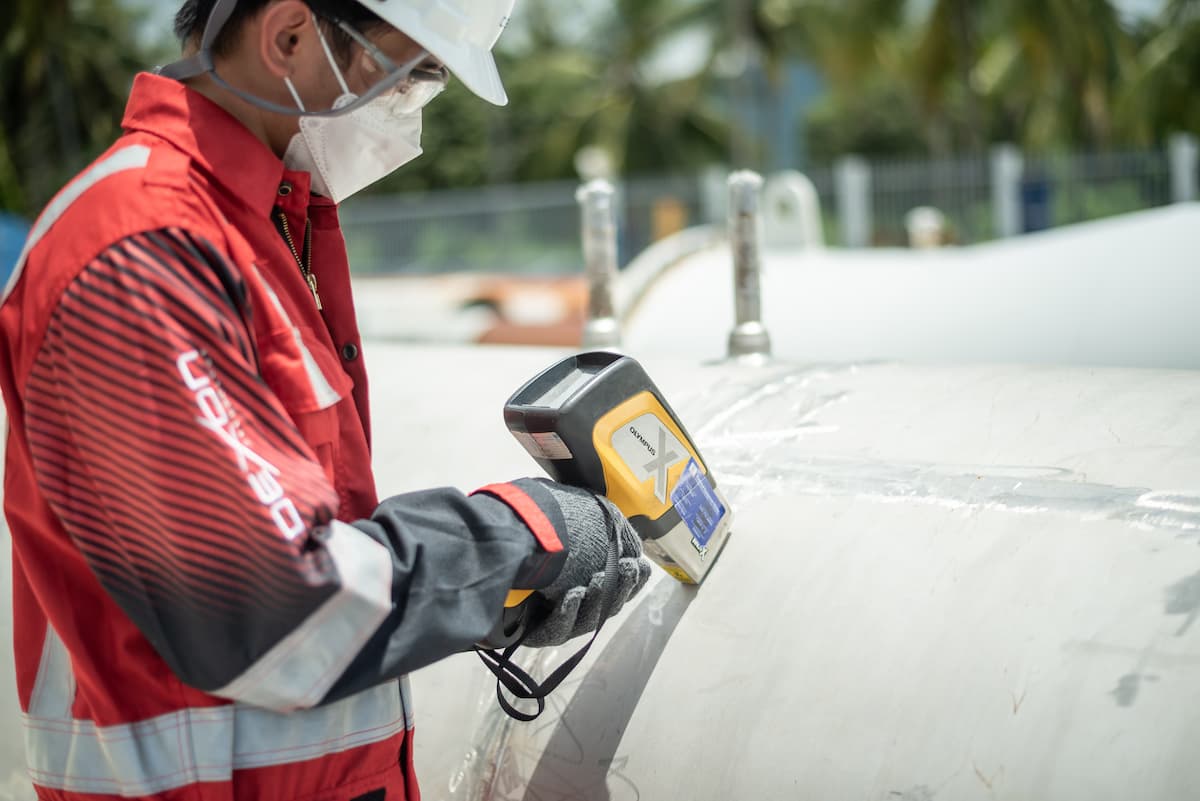
Positive Material Identification
Confirms alloy grade element by element, catching material mix-ups between grades that look identical.
Remote Visual Inspection
Finds corrosion, pitting, cracking, deposits, blockages and distortion inside equipment nobody can reach.
Surface Roughness Testing
Verifies surface texture and blast profile against specification — catching surfaces too smooth to key, or too rough to cover.
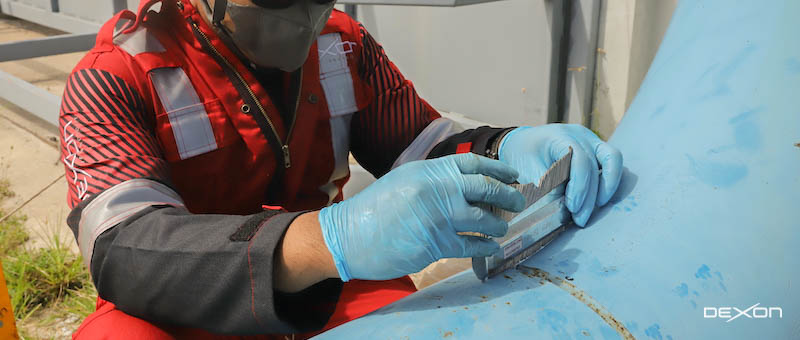
Visual Testing
Finds cracks, corrosion, distortion, weld profile faults, misassembly, leak traces and coating damage visible at the surface.
Wet Film Thickness Testing
Checks coating thickness while the paint is still wet, so the dry film lands on target before it sets.
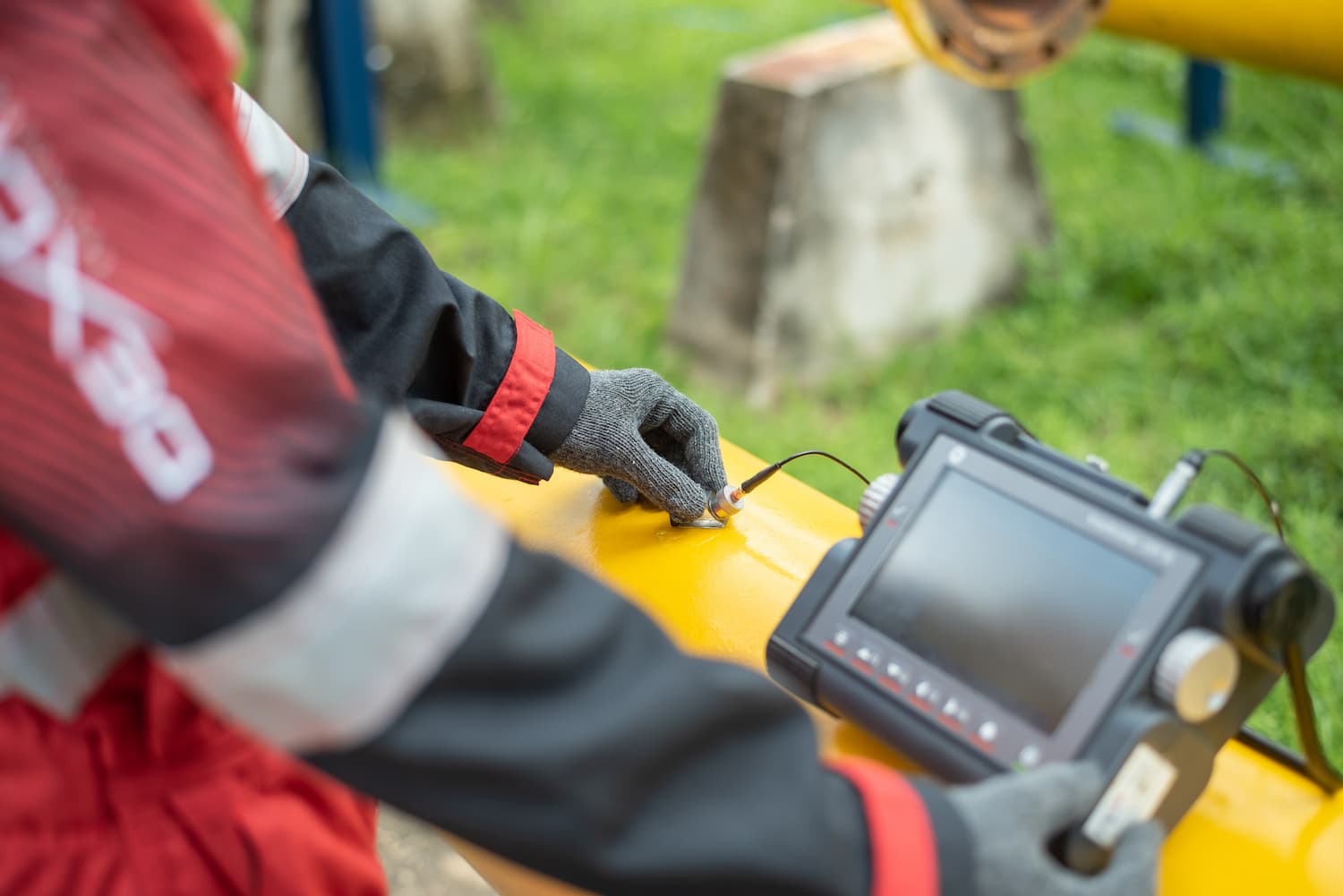
Ultrasonic Conventional Testing
Finds wall loss, internal cracking, lack of fusion, laminations and inclusions — and measures remaining thickness.
Get to know Dexon
Conventional NDT, done properly
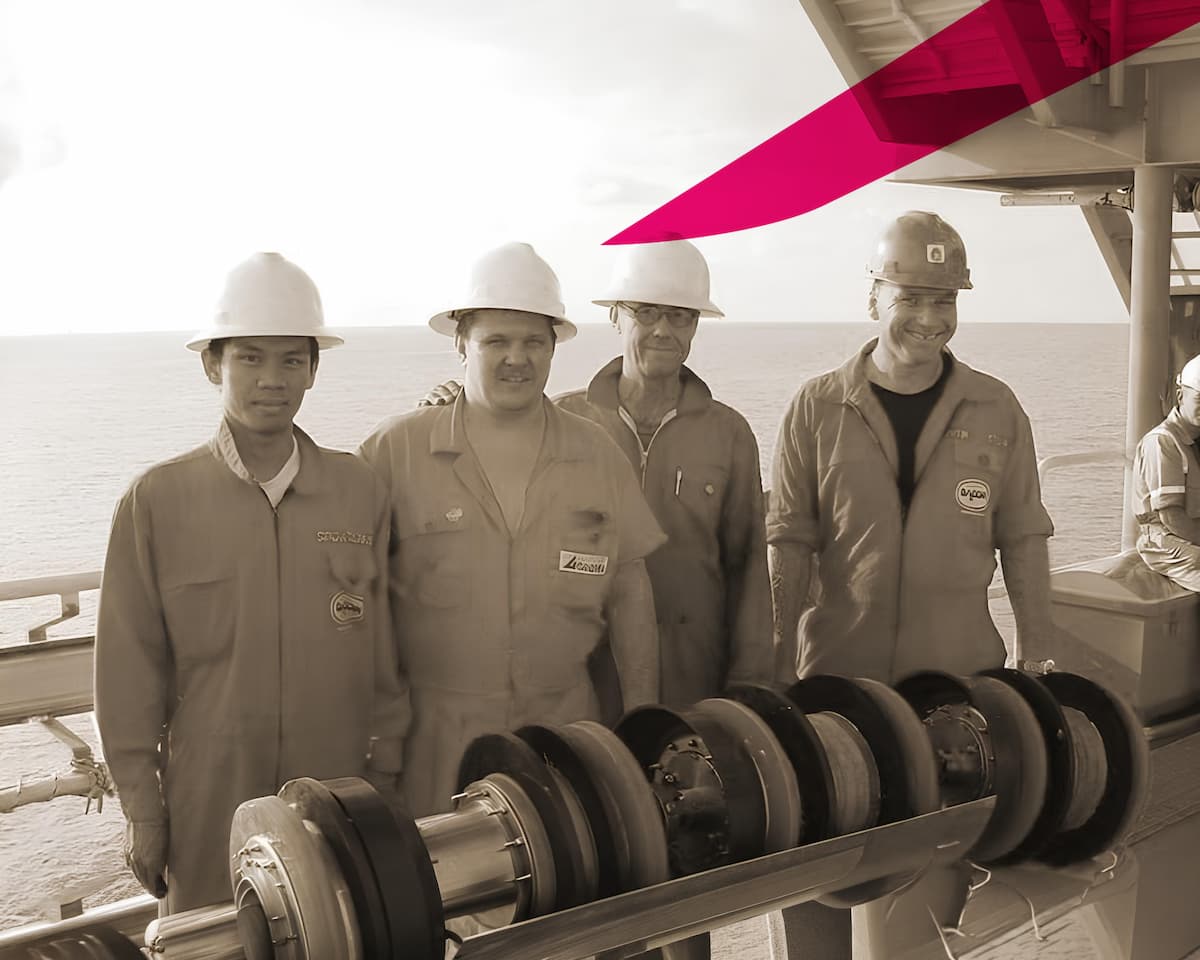
Dexon started in Norway more than 45 years ago and has grown into an inspection and asset integrity provider across Asia — headquartered in Thailand, with an office in Singapore, operations throughout the region and a team of over 300 specialists.
The conventional NDT group covers radiography, ultrasonics, magnetic particle, penetrant, visual and remote visual inspection, material identification, hardness, pressure and leak testing, and the full coating inspection chain. Dexon’s crews have some of the most experienced inspectors in the industry, ensuring that execution and reporting are rapid, accurate, and correct.
years of inspection experience
specialists on the team
successful annual projects
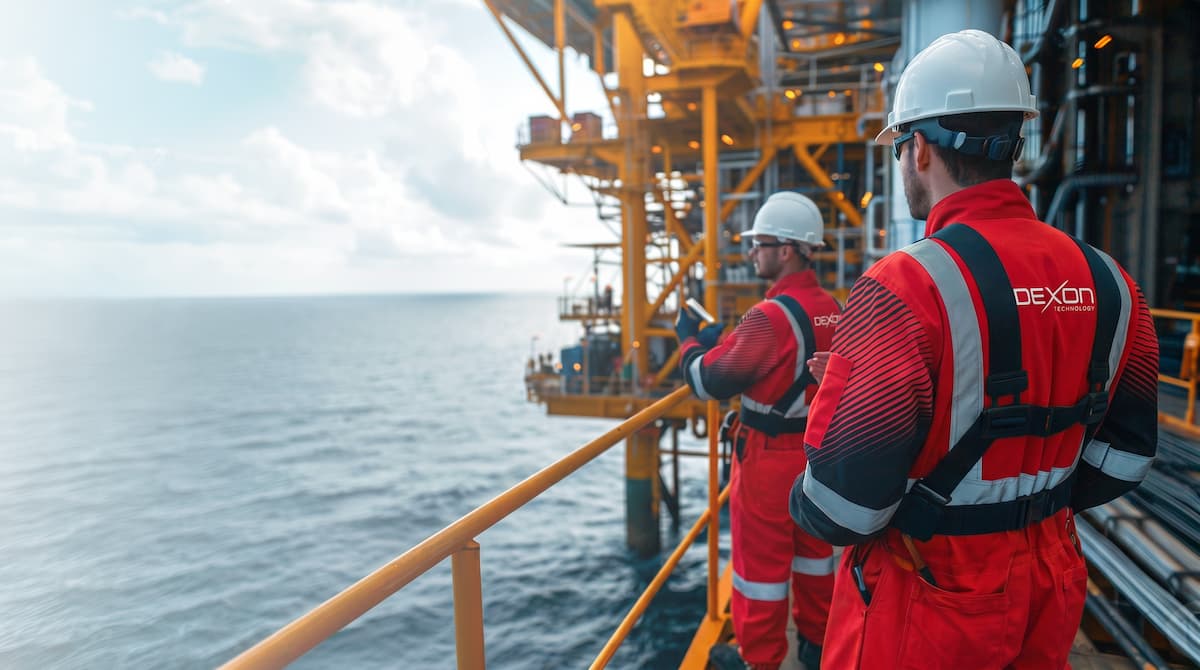
Complete inspection solutions for every step
Whether the job calls for weld radiography, thickness measurement across a tank, or crack detection by magnetic particle or penetrant, Dexon covers the whole chain — scoping and method selection, site preparation, data acquisition and analysis, reporting, planning the next inspection interval, and even selecting and managing subcontractors when one company is not enough. Talk to our specialists to find the method that fits your asset, your site conditions and your project goals.