Corrosion
Learn more
Integrity Solution
Corrosion and material degradation rarely occur without a cause.
Changes in temperature, pressure, process chemistry, material condition, flow velocity, water chemistry, operating cycles, and environmental exposure can gradually create damage that may not be immediately visible.

The key question is therefore not simply:
“Where is the corrosion?”
It is:
Damage Mechanism & Corrosion Analysis provides a structured approach to identifying the mechanisms responsible for equipment degradation, evaluating their potential impact, and developing appropriate strategies for inspection, monitoring, mitigation, and integrity management.
Inspection findings provide evidence of damage, but the visible damage is only part of the story.
Understanding the underlying damage mechanism is essential to determine how the condition may develop and where similar damage may occur elsewhere in the system.
This helps transform inspection data into a better understanding of the causes and potential progression of degradation.
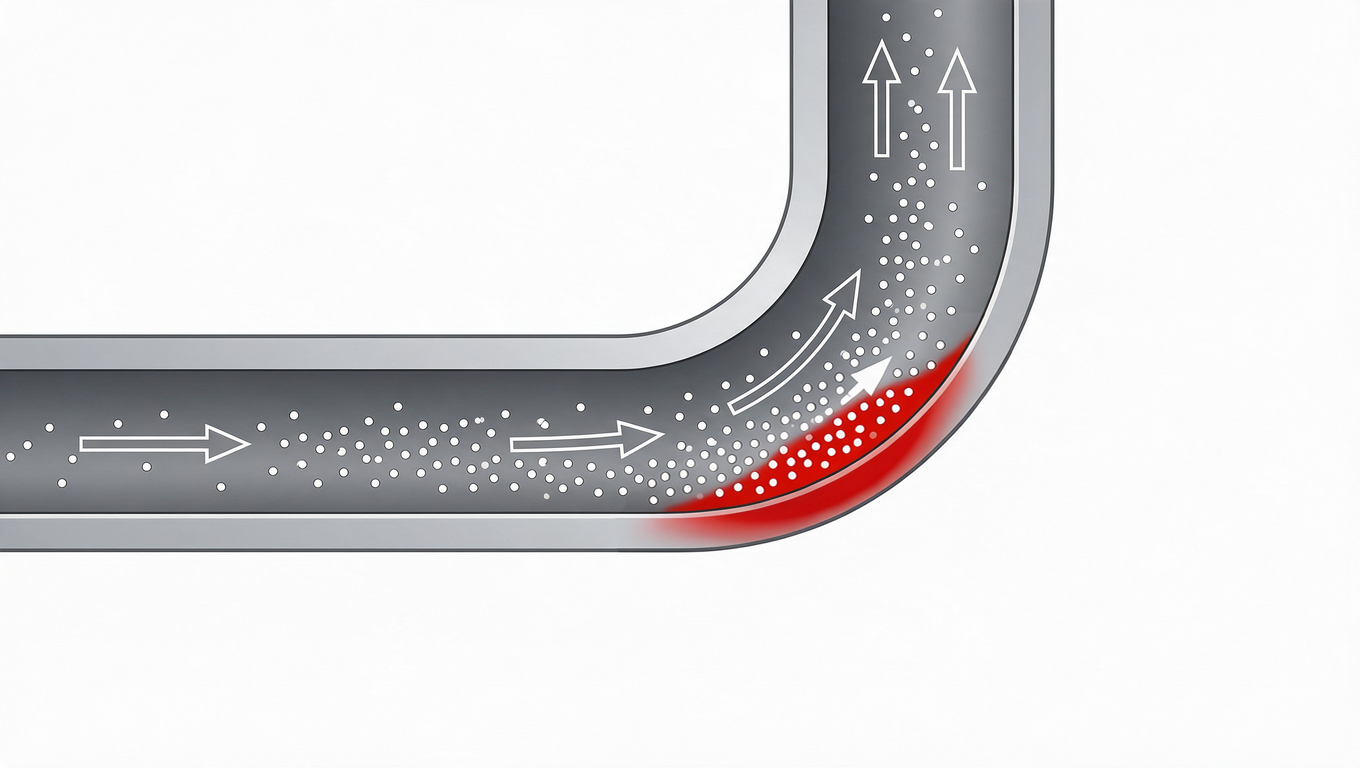
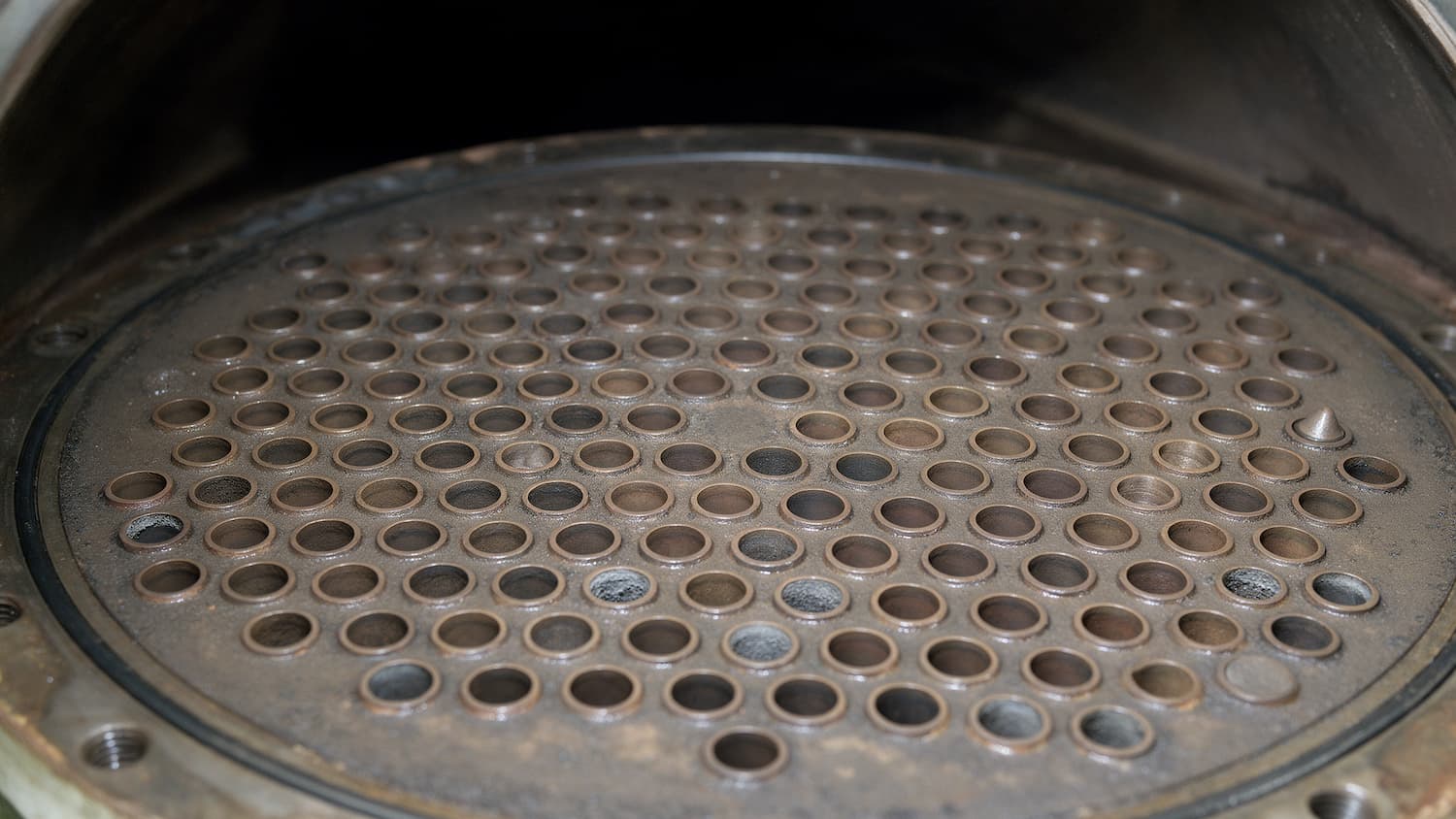
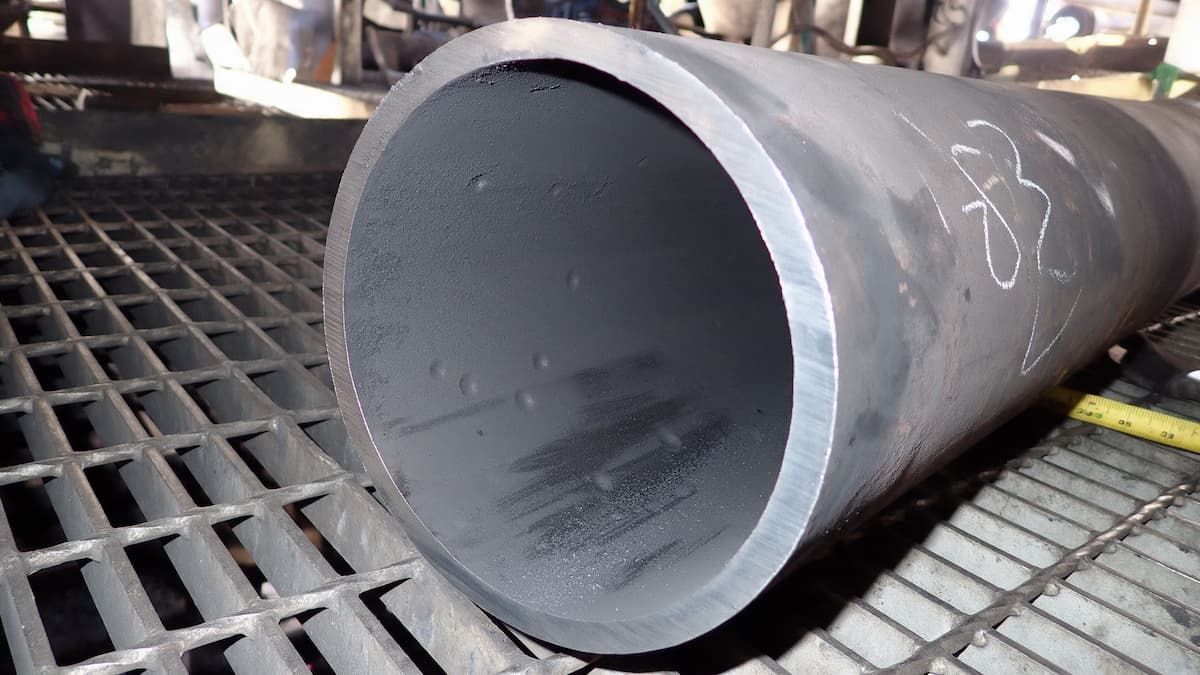
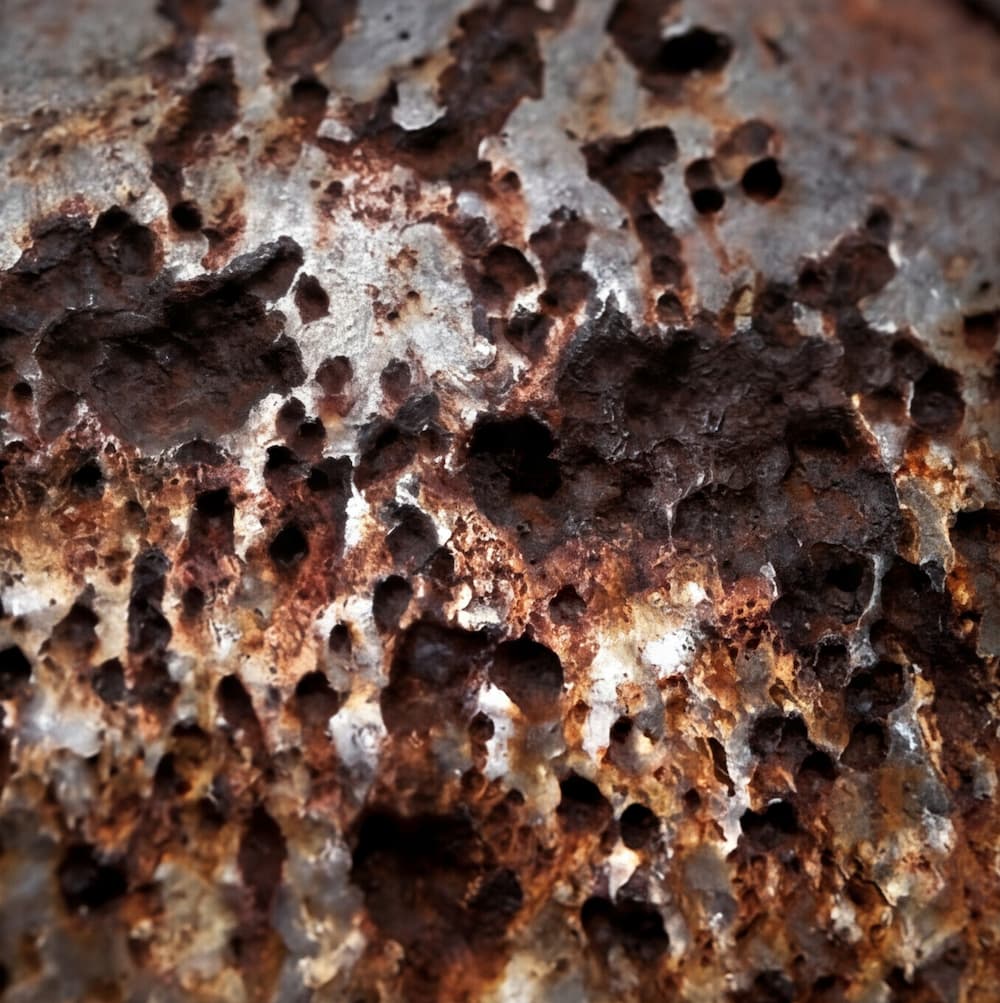
Different operating environments can produce different forms of corrosion and material degradation.
Identifying the correct damage mechanism is critical to developing an effective integrity management strategy.
The assessment may consider:
Understanding how quickly damage is progressing is an important part of corrosion management.
Historical inspection data can be evaluated to determine corrosion trends and estimate potential future degradation.
Where sufficient data are available, corrosion rate assessment can support the evaluation of remaining wall thickness, inspection intervals, monitoring requirements, and future integrity conditions. The assessment also considers uncertainty in inspection measurements, changes in operating conditions, and the applicability of historical corrosion rates to future service.
Damage mechanism and corrosion analysis can be applied across a wide range of industrial and power generation equipment.
Damage Mechanism & Corrosion Analysis can be supported by recognized international standards, engineering methodologies, and industry practices.
API Standards
Damage Mechanisms Affecting Fixed Equipment in the Refining Industry
Risk-Based Inspection principles and methodologies
Pressure Vessel Inspection
Piping Inspection
Piping Inspection
Corrosion analysis should not only explain what has already happened. It should also help answer: “What is likely to happen next?” By combining damage mechanisms, inspection history, operating conditions, and degradation trends, organizations can develop a more proactive approach to equipment integrity.
A structured damage mechanism and corrosion analysis can help organizations:
Damage Mechanism & Corrosion Analysis provides the technical understanding needed to identify why degradation occurs, how it may progress, and what actions can be taken to manage equipment integrity throughout its operating life.